
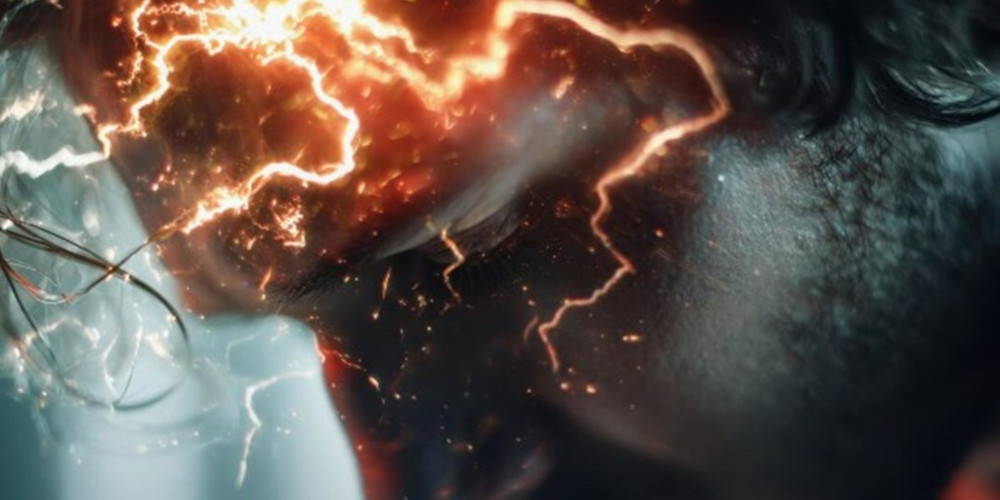
The Glamour of Madness
We love the story of the “tortured genius.” From Van Gogh’s fevered brushstrokes to Kanye West’s headlines, pop culture keeps recycling the idea that pain equals art, that bipolar disorder fuels brilliance. It’s seductive, especially if you’re the one living it. Mania feels like inspiration on steroids. Words pour, colours burn brighter, the world feels electric.
But behind every masterpiece is wreckage the audience doesn’t see, sleepless nights, broken relationships, debt, medication abandoned because stability feels too dull. What the world calls “creative genius” often comes with a hospital wristband and an unpaid rent notice. The myth of the glamorous manic artist might sell movies, but in real life, it ruins lives.
When the High Feels Like a Muse
Mania is intoxicating. Ideas arrive faster than you can write them down. You start six projects at once and swear you’ll finish them all. You feel unstoppable, chosen even. For a few days, or weeks, you might actually produce incredible work, songs, paintings, business ideas, novels. The creativity feels divine, as though your brain has unlocked a secret frequency.
But then comes the crash. The half-finished projects, the unread emails, the apologies you owe to people you can’t remember upsetting. The same energy that made you feel alive now feels poisonous. You realise the muse wasn’t magic, it was mania, and it never stays.
The Aftermath of Brilliance
What people rarely talk about is the shame that follows mania. The artist who sells their equipment to fund impulsive spending. The designer who misses deadlines because they can’t focus through the fog of depression. The musician who believes medication will kill their spark and ends up losing both their music and their mind.
This pattern, create, collapse, repeat, isn’t sustainable. It’s not creative rhythm, it’s survival through chaos. And yet, society rewards the product and ignores the pain. We quote the art but bury the hospital stay.
Medication vs. Muse
One of the cruelest myths surrounding bipolar disorder is that treatment dulls creativity. Many fear that mood stabilisers or antidepressants will flatten their imagination, turn their art beige. The truth is more complex. Yes, medication can soften the extremes, but that’s exactly what keeps creativity alive.
Creativity isn’t born from chaos, it’s born from clarity. The bursts of energy during mania may produce fragments of brilliance, but the discipline to refine them, the focus to finish, comes from stability. When your brain isn’t at war with itself, ideas can breathe instead of burn.
For most artists with bipolar disorder, the real breakthrough happens after recovery begins. They learn to harness the highs without destroying themselves in the process.
The Media’s Obsession with “Mad Genius”
Films, documentaries, and music biographies love to blur the line between mental illness and talent. It’s easier to romanticise a manic episode than to portray medication schedules and therapy appointments. The media sells us extremes because stability doesn’t make headlines.
But this narrative is dangerous. It teaches young creatives that suffering is a prerequisite for greatness. It discourages them from seeking help, convincing them that sanity will sterilise their art. It glamorises mania as passion instead of pathology. The result? People delay treatment until they hit the wall.
Creativity as Coping
For many living with bipolar disorder, creativity isn’t about fame, it’s about survival. Art becomes a safe outlet for chaos, journaling through sleepless nights, painting emotions that words can’t hold, composing music to soothe anxiety.
This kind of creativity is healing, not harmful. It turns expression into therapy rather than trauma. The difference lies in intention, are you creating to communicate, or to control the storm? One grounds you. The other consumes you.
When the Audience Applauds the Illness
Society rarely distinguishes between creative risk and personal harm. When an artist spirals publicly, we call it “iconic” or “unfiltered.” When they crash, we call it tragedy. We mourn their deaths but never challenge the culture that idolised their suffering.
In South Africa, where access to mental-health care is already limited, this glorification is deadly. Young musicians, influencers, and writers mimic the chaos they see rewarded online, drinking harder, sleeping less, mistaking erratic behaviour for authenticity. They’re told, “That’s just your process.” But the process shouldn’t end in a psychiatric ward.
We need a new definition of creative success, one that values health as highly as output.
The Science Behind the Spark
Research does show some overlap between bipolar traits and creative thinking. The manic brain produces dopamine surges that heighten idea association, energy, and risk-taking, all useful for innovation. But science also shows that once mania tips into psychosis, creativity collapses. The brain stops connecting ideas productively and starts spinning uncontrollably.
In other words, a little hypomania might feel like rocket fuel, but full mania burns the ship down. Sustainable creativity relies on moderation, not madness.
South African Artists and the Unspoken Battle
Our local creative scene is filled with brilliance, and burnout. Photographers vanish from social media after manic highs. Rappers glorify self-destruction in lyrics. Visual artists push through depression until the work itself becomes a cry for help.
Because therapy is expensive and stigma runs deep, many use work as medication. Deadlines become distraction, art becomes anesthesia. The industry applauds productivity, not balance. But there’s nothing artistic about working yourself into psychosis.
Imagine if our creative institutions built mental-health support into contracts and studios. Imagine if we normalised therapy alongside talent management. That would save more careers, and lives, than any award show ever could.
Reclaiming Creativity from Chaos
So, what does healthy creativity look like for someone with bipolar disorder? It’s routine. It’s boundaries. It’s knowing when to rest even when your brain screams to keep going. It’s collaboration with people who keep you accountable. It’s medication, therapy, and discipline, all the boring words that make brilliance sustainable.
Real artistry isn’t found in the manic sprint, it’s in the long game. The writer who takes months to craft a novel, the musician who records sober, the painter who finishes the piece without collapsing. That’s art born from endurance, not emergency.
The Fear of Losing Your Edge
For many, recovery feels like losing a superpower. They mourn the mania because it made them feel alive. But what if the “edge” wasn’t genius at all, just adrenaline? What if what you thought was inspiration was actually your brain on overdrive?
You don’t need chaos to create meaning. In fact, when your emotions aren’t hijacked by chemical surges, you start seeing the world more clearly. The colours are still bright, they’re just no longer bleeding together.
Why the Myth Needs to Die
The “mad genius” trope is more than a lie, it’s a public-health hazard. It convinces people to avoid medication, glorifies reckless behaviour, and normalises suffering as a creative rite of passage. No one would tell a diabetic that insulin kills their imagination. Why do we tell people with bipolar disorder that treatment will?
Art doesn’t require pain, it requires honesty. And you can be brutally honest without being broken.
Turning Pain into Purpose
There’s another way to use the link between creativity and bipolar disorder, one that doesn’t destroy you. It starts with therapy, community, and intention. When you process trauma instead of performing it, your art becomes more powerful because it’s rooted in truth, not crisis.
Many recovering creatives describe a new kind of inspiration after stabilising, quieter, slower, but more sustainable. They rediscover joy in the craft itself, not the chaos surrounding it. They write not to survive, but to share.
The Role of Community and Support
Recovery for creative people requires community just as much as medication. Sober studios, peer networks, and online support groups help artists stay accountable. Having people who understand the push-and-pull of bipolar energy can prevent relapse.
In South Africa, where creative work is often freelance and isolated, building peer-support circles is vital. Imagine WhatsApp groups where artists check in about sleep and meds before deadlines. Imagine creative agencies partnering with counsellors. It’s possible, and it’s overdue.
From Mania to Mastery
When you accept that creativity can exist without chaos, you start to master it. You learn to capture ideas when they come and refine them when they fade. You keep notebooks instead of burning out. You build systems that protect your craft and your mind.
Mastery replaces mania. Balance becomes the new muse. And stability, the thing you once feared, turns out to be the foundation for your most authentic work yet.
Art Without Self-Destruction
We owe it to the next generation of artists to kill the myth that suffering equals talent. The most radical act a creative with bipolar disorder can commit is to stay alive long enough to finish the story. To take the meds. To rest. To keep creating without collapsing.
Creativity doesn’t demand your sanity as payment. You can be brilliant and balanced. You can make art and make it home for dinner. You can build, not break.
The world doesn’t need more dead geniuses. It needs living ones, steady, self-aware, and strong enough to prove that healing and creativity can coexist.