
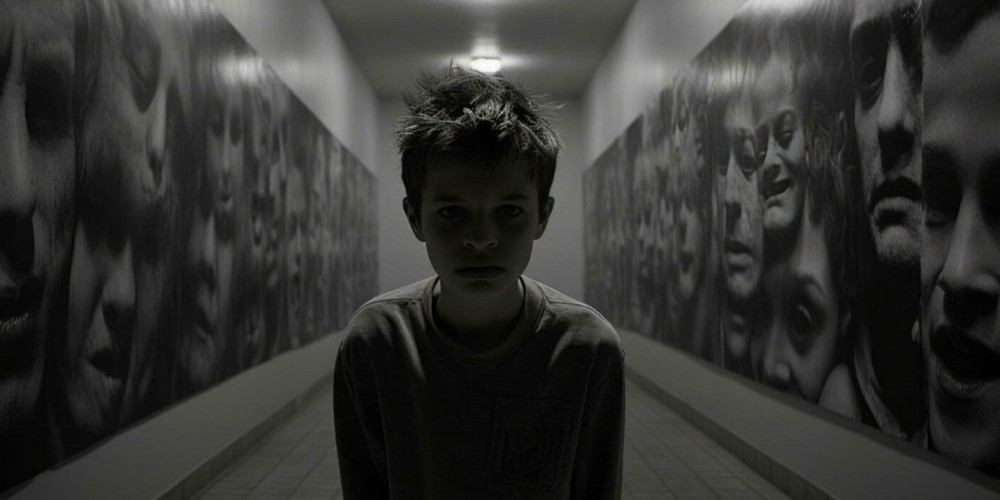
Understanding the Reality of Bipolar Disorder
For most people, bipolar disorder exists as a punchline or a stereotype, the “moody” friend, the artist who can’t keep it together, the colleague who swings from brilliance to breakdown. But to live with bipolar disorder is to inhabit two separate worlds that rarely meet, one electrified and limitless, the other muted and heavy. It’s not simply about “mood swings.” It’s about surviving the psychological whiplash that life throws at you while the world tells you to “just calm down.”
Bipolar disorder affects how you think, feel, sleep, make decisions, and experience reality. One day, you can be flooded with purpose, convinced you’re on the brink of something extraordinary. The next, you can barely lift your head from the pillow. What people don’t see is the exhaustion of constantly trying to find the middle, a place between chaos and collapse where you can finally breathe.
The Seduction of Mania
Mania, for many, is a liar that feels like a lover. It gives you grand ideas, unstoppable energy, and a version of yourself that feels unstoppable. You sleep less, spend more, talk faster, and believe you’ve unlocked something rare and powerful, clarity, confidence, creativity. But that high comes at a price. The crash that follows is brutal, debt, regret, exhaustion, and relationships scorched by impulsive choices you don’t remember making.
Mania convinces you that recovery will dull your shine. It tells you that the medication will kill your art, your edge, your intensity. But the truth is that mania doesn’t make you special, it makes you unsafe. It robs you of control while pretending to set you free. And every time you touch that flame, it burns you deeper.
The Weight of the Lows
If mania feels like flying too close to the sun, depression feels like being buried under ice. It’s not sadness, it’s emptiness. You lose appetite, interest, motivation, and the sense that life has any meaning. Sleep either eludes you or swallows you whole. You might cry for hours, or not at all. Every movement feels like wading through mud.
Friends stop calling because you cancel too often. Work becomes impossible. Even taking a shower feels like climbing a mountain. And when people say “cheer up” or “think positive,” you feel both rage and despair, because they think this is a choice. Depression in bipolar disorder is chemical, not character. It’s the brain misfiring, not a weakness of will.
Medication Isn’t Defeat, It’s Liberation
There’s a myth that recovery equals compliance, and compliance equals losing yourself. Many fear that taking medication will flatten their personality, make them dull or robotic. But the truth is that the right treatment doesn’t erase who you are, it gives you back the version of yourself that mania and depression have hijacked.
Mood stabilisers, therapy, and routine are not chains, they’re lifelines. They give you the consistency to build something sustainable. Yes, there are side effects. Yes, finding the right medication can take months. But when you finally find balance, you realise how much of your “personality” was actually pain disguised as energy.
You don’t have to romanticise instability to prove you’re interesting. Stability is not boring, it’s freedom.
How Bipolar Disorder Breaks, and Builds, Relationships
Living with bipolar disorder can make you feel unloveable. One moment you’re vibrant and funny; the next, withdrawn or irritable. Partners, friends, and family often take these shifts personally. They might think you’re inconsistent, selfish, or careless. What they don’t see is that you’re fighting an internal war every day just to appear normal.
Relationships survive bipolar disorder when there’s education, honesty, and boundaries. Loved ones need to learn that bipolar isn’t manipulation, it’s a medical condition. And the person with bipolar needs to communicate before chaos hits, to say, “If I start staying up all night or spending too much, please remind me to check in with my doctor.” Partnership doesn’t mean rescuing each other, it means recognising the signs and responding with empathy, not fear.
The Fear of Losing Your Edge
Many people hesitate to treat their bipolar disorder because they fear losing their creativity. They’ve built identities around being “intense” or “driven.” But the truth is, the best art, business ideas, or projects rarely come from chaos, they come from clarity. Mania might flood you with ideas, but it rarely lets you finish them. True creativity needs structure. You can be inspired and still take your meds. You can be ambitious and still sleep.
If anything, recovery refines creativity. It allows you to turn the spark into a steady flame rather than another fire you’ll eventually have to put out.
The Social Cost of Stigma
Even in 2025, the stigma around bipolar disorder remains suffocating. Employers, families, and friends often misunderstand what it means. People whisper the word “bipolar” as though it’s contagious, or use it casually to describe moodiness. But behind every diagnosis is a person who has learned to live with extremes most people can’t imagine.
We need to shift the conversation from “crazy” to “chronic.” Bipolar disorder is no different from diabetes or heart disease in one key way, it requires management, not shame. Compassion, not pity. Treatment, not secrecy.
The Long Road to Acceptance
One of the hardest lessons for anyone living with bipolar disorder is learning to separate identity from illness. You are not “bipolar”, you are a person who has bipolar disorder. The difference is subtle but life-changing. When you define yourself only by your diagnosis, you hand it power over everything else. But when you see it as something you live with, not as, you regain authorship of your own story.
Acceptance doesn’t mean resignation. It means recognising that this condition is part of your wiring, and that you can still build a meaningful, successful, connected life around it.
What Recovery Actually Looks Like
Recovery isn’t dramatic. It’s not a single turning point or a motivational montage. It’s routine, morning meds, regular sleep, therapy sessions, accountability. It’s small victories, a week without chaos, a paycheck saved instead of spent, a day when you laugh for no reason at all.
And yes, sometimes you relapse. That doesn’t mean you’ve failed. It means you need to adjust, reassess, and keep going. Like any chronic condition, bipolar disorder requires lifelong maintenance. But maintenance is not misery, it’s maturity.
Life Beyond the Label
There’s life beyond the diagnosis. It may not look like the manic rush you once mistook for joy, but it’s steadier, deeper, and real. The friends who stick around, the work that gets done, the mornings you wake up calm, that’s the kind of peace most people never find.
To live with bipolar disorder is to know darkness and light more intimately than most people ever will. You’ve seen both ends of the human spectrum, despair and euphoria, and if you can find balance between them, you don’t just survive, you evolve.
Bipolar disorder doesn’t have to define your future. It can be the context that makes your strength even more visible. You’re not broken. You’re wired differently, and with the right tools, that wiring can light up the world.