
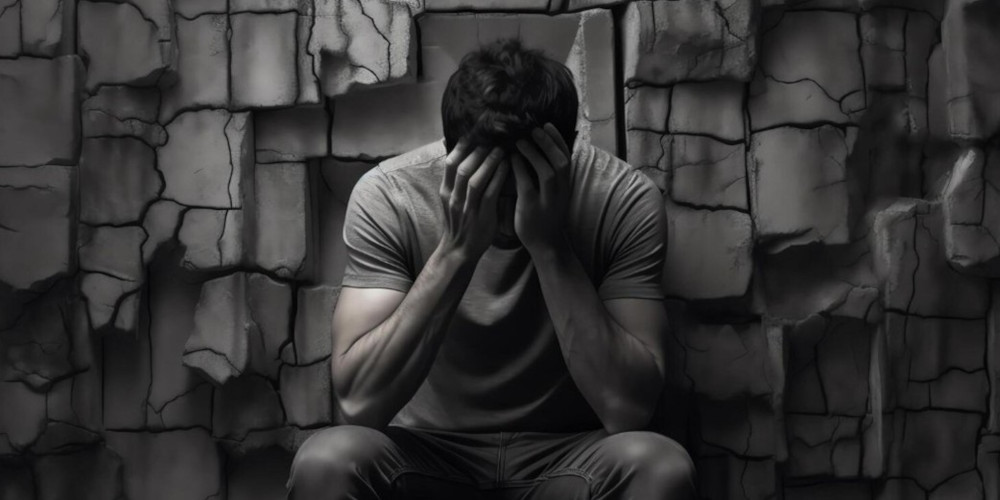
The Silence That Kills
In South Africa, people don’t talk about bipolar disorder, not really. We whisper about it in waiting rooms, joke about it on social media, or label someone “mad” when their emotions spill too far outside the lines of what we think is normal. But silence isn’t neutral. It kills. And for thousands of South Africans living with bipolar disorder, that silence means years of misdiagnosis, mistreatment, and misunderstood suffering.
The truth is uncomfortable, we treat mental illness like a private embarrassment, a family secret, or a character flaw. Meanwhile, suicide rates climb, families fall apart, and the healthcare system remains stretched beyond breaking point. The real cost of this stigma is not just emotional, it’s fatal.
Bipolar Disorder Isn’t a Mood, It’s a Medical Condition
Let’s start here, bipolar disorder isn’t about being moody. It’s a complex neurological condition that affects how the brain regulates energy, emotion, and motivation. It can manifest as episodes of mania (extreme highs) and depression (crushing lows). People living with it often describe feeling like passengers in their own lives, swinging between ambition and exhaustion, hope and hopelessness.
And yet, in South Africa, the label “bipolar” often becomes shorthand for instability, drama, or danger. It’s thrown around casually, used as an insult, or ignored altogether. This misunderstanding leaves many people undiagnosed or misdiagnosed for years. Some self-medicate with alcohol or drugs, others simply fall out of the system entirely.
The Price of Misunderstanding
The South African healthcare landscape isn’t built for nuance. Mental health funding makes up less than 5% of the national health budget, and yet an estimated one in six South Africans live with anxiety, depression, or substance use disorders. Bipolar disorder sits at the intersection of all three, and still receives the least attention.
Many people don’t get help until crisis hits, a suicide attempt, a manic breakdown, or an arrest. By then, it’s not early intervention anymore; it’s emergency management. And emergency management is expensive, both financially and emotionally. Families sell cars, drain savings, or battle medical aids just to secure a few weeks of stability for someone they love.
When care is reactive instead of preventative, we trap people in a cycle of relapse and rescue. The system saves lives, but rarely helps people live them.
The Two-Tier Trap
If you can afford private healthcare, bipolar disorder is difficult but manageable. You can see a psychiatrist, get your medication adjusted, access therapy, and even attend specialised treatment programs. You can stabilise.
If you rely on public healthcare, your story looks very different. You wait months to see a psychiatrist. You sit in overcrowded clinics. You’re told the medication you need isn’t available this month. You’re discharged before you’re ready because beds are full. If you relapse, you’re told to come back when you’re “really bad.” It’s a system designed for crisis, not continuity.
That divide, between those who can pay for recovery and those who can’t, is the silent cruelty of South African mental health care. The same illness, the same brain chemistry, but entirely different outcomes based on the size of your wallet.
Cultural Stigma and the Language of Blame
Bipolar disorder doesn’t just clash with our healthcare system, it collides with our culture. In many South African communities, mental illness is seen as weakness, witchcraft, or spiritual imbalance. The person suffering becomes the problem: “She’s possessed.” “He’s lazy.” “They just want attention.”
Families hide loved ones, afraid of judgment. Employers quietly push people out. Friends stop calling. And so, people suffer alone, convincing themselves that silence is safer than being seen.
The language we use matters. Words like “crazy,” “unstable,” or “mental” don’t just stigmatise, they isolate. They keep people from seeking treatment. They tell those already struggling that their pain isn’t valid, that they’re defective. Changing that language is a small step, but it’s one that could save lives.
Faith, Shame, and Healing
Religion plays a central role in South African life, which can be both a blessing and a barrier. For many, faith is a source of strength. But for others, it becomes another layer of shame. Too often, pastors, imams, or community elders tell people with bipolar disorder to “pray harder,” “cast out demons,” or “claim healing” instead of seeing a doctor. The result? Delayed treatment, worsening symptoms, and a growing sense of personal failure.
Faith and medicine aren’t enemies. They can coexist, but only if we start educating spiritual leaders about mental health. Compassion begins with understanding. A sermon can save a soul, but psychiatry can save a life.
Bipolar Disorder and Addiction
In South Africa, substance abuse and bipolar disorder are frequent companions. Alcohol and drugs often become a way to self-medicate, to numb depression or extend mania. But addiction doesn’t soothe the storm, it fuels it. Many who enter rehab for substance use discover an underlying mood disorder that was never diagnosed.
Integrated treatment, where addiction and bipolar disorder are addressed together, is still rare, but it’s the future. Centres like Changes Rehab in Johannesburg are pioneering this dual-diagnosis approach, acknowledging that you can’t treat one without confronting the other. Healing must happen on both fronts.
Why We Need to Talk About Suicide
Suicide is one of the leading causes of death among South Africans aged 15–35, and untreated bipolar disorder plays a major role. Yet, we still speak of it in hushed tones, as though naming it gives it power. It doesn’t. Silence does.
People in manic or depressive states often experience suicidal thoughts, not because they want to die, but because they want the pain to stop. The tragedy is that many of them could have been saved if someone had noticed the signs or felt safe enough to ask the question: “Are you thinking about hurting yourself?”
That one question, asked with compassion instead of fear, can interrupt a fatal thought pattern. Talking about suicide doesn’t cause it, it prevents it.
The Role of Family and Community
Recovery from bipolar disorder doesn’t happen in isolation. It’s built through community, families who learn, friends who stay, employers who accommodate, and support groups that listen without judgment. Families often carry the emotional and financial weight of this illness, yet they’re rarely given proper guidance.
Education is everything. When families understand what bipolar disorder is (and what it isn’t), they move from frustration to compassion. They learn that relapse isn’t rebellion. That medication isn’t optional. That “getting better” doesn’t mean “getting over it.” Recovery is maintenance, like taking insulin for diabetes, not a finish line.
Mental Health in the Age of Connection
Ironically, the internet has become both sanctuary and battlefield for people with bipolar disorder. On one hand, online communities offer solidarity, a space to share stories, seek advice, and feel less alone. On the other, social media glamorises mania. We celebrate “grind culture,” sleepless creativity, and impulsive spending as signs of success. It’s dangerous because it validates illness as identity.
The solution isn’t to log off, it’s to curate spaces that heal instead of harm. Digital communities that prioritise education, boundaries, and reality checks can be lifelines for people in recovery.
Healing Is Not Just Medical, It’s Structural
Treating bipolar disorder isn’t only about medication and therapy. It’s about giving people stability, housing, employment, dignity. You can’t expect someone to take their meds consistently if they’re hungry, homeless, or unemployed. Social recovery is just as important as clinical recovery.
We need workplace reform that recognises mental illness as legitimate, not indulgent. We need more affordable therapy options, more community clinics, and better training for primary healthcare workers. Because if a person’s first encounter with help is a judgmental nurse or an empty pharmacy shelf, they won’t come back.
Breaking the Silence
The conversation around bipolar disorder in South Africa has to move from diagnosis to dignity. We must stop treating people with mental illness as burdens and start recognising them as citizens deserving of care, respect, and inclusion.
Talking openly about bipolar disorder doesn’t weaken us as a society, it strengthens us. It tells our children that vulnerability isn’t shameful, that asking for help isn’t failure, that mental health is health.
Change won’t come from government alone. It starts in households, workplaces, churches, schools, and on social media. Every time someone shares their story, stigma loses ground.
Hope Needs Action
There’s no cure for bipolar disorder, but there is control. With the right treatment, routine, and support, people can and do live full, meaningful lives. They build businesses, raise families, make art, and contribute to their communities. But they can’t do it alone. They need understanding, access, and equality.
If South Africa is serious about mental health, then bipolar disorder needs to stop being a taboo and start being a topic. We need fewer whispers and more questions. Fewer “crazy” jokes and more compassion. Fewer emergency hospitalisations, and more consistent, affordable care.
Speaking Out Saves Lives
Bipolar disorder isn’t a tragedy, silence is. We have the science, the medication, and the knowledge to help people recover. What’s missing is the will to talk about it honestly. So start where you are. Have the uncomfortable conversation. Ask the awkward question. Correct the cruel joke. And when someone says they’re struggling, don’t look away.
Because in a country where mental illness is still treated like a secret, every voice that speaks up becomes a lifeline.